
Currys Customer Returns Pallets
Electronics liquidation works differently to clothing, mainly because functionality matters as much as condition. Currys customer returns pallets are one of the most active categories in UK electronics wholesale, given the retailer’s scale across TVs, laptops, small appliances, and general tech. This page covers what these pallets typically contain, how they’re graded, and what a buyer needs to check before ordering, since testing and power status carry more weight here than they do in clothing liquidation.
Where This Stock Comes From
Currys customer returns pallets are built from items sent back by customers through in-store or online returns, alongside separate volumes of overstock and shelf-pulls that never reached a customer at all. Returns can happen for genuine faults, but a large share also comes from customers changing their mind, ordering the wrong item, or returning something within a cooling-off period with no fault present at all. A seller working properly in this trade should be able to say roughly what proportion of a lot is fault-based returns versus non-fault returns, since this affects resale risk significantly.
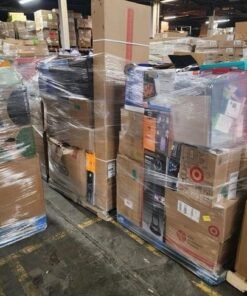
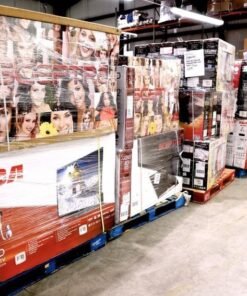
Currys Customer Returns Pallets
185-piece Currys-style customer returns pallet with TVs, laptops, phones and consoles
Condition and Grading for Electronics
Electronics pallets use the same A/B/C grading system as other wholesale categories, but the criteria shift toward functionality. Grade A typically means tested and working, often with original packaging and accessories intact, usually sourced from non-fault returns or overstock. Grade B covers tested working stock with cosmetic wear or missing accessories, or untested stock believed functional based on the return reason given. Grade C includes stock with a known fault, missing major components, or no testing data at all, priced to reflect that uncertainty. Buyers should always ask whether a lot has actually been tested, since a manifest that doesn't specify this should be treated as untested stock regardless of the grade listed.
What's Typically Included
Currys returns pallets can include TVs, laptops, small kitchen appliances, vacuum cleaners, headphones, and general consumer tech, and the mix depends entirely on what's come through the returns channel at the time the lot was built. Larger appliances and TVs tend to be sold in smaller, higher-value lots given their size and unit cost, while small electricals and accessories are more commonly bulked into mixed pallets. None of this is guaranteed without a manifest, and any listing without one should be treated as unverified, particularly given how much functionality matters in this category.
Who Buys Currys Customer Returns Pallets
Electronics resellers and tech resellers buy these pallets to resell individually once tested, often through eBay or their own online store. Refurbishment businesses and repair shops buy faulty or untested lots specifically because they have the capability to diagnose and fix issues before reselling at a markup. Appliance retailers and discount electronics shops buy larger mixed lots to stock shelves below standard wholesale rates. Bulk buyers and export buyers occasionally take on larger pallet volumes for markets where testing and resale happen at scale.
Buying Format and Minimum Order Quantity
Currys returns pallets are typically sold as a full pallet or job lot, with pricing reflecting whichever grade and testing status applies. Some sellers offer smaller mixed lots for buyers wanting to test a category before committing to bulk. MOQ varies by seller and by how the lot has been broken down, so this needs confirming against the specific listing.
Why Testing Status Matters More Here Than in Other Categories
Unlike clothing, where condition is usually visible on inspection, electronics can look fine and still not function, or vice versa. A buyer taking on untested stock is effectively pricing in the cost and time of testing and potential repair themselves, which is why untested Currys pallets typically sell at a steeper discount than tested Grade A stock. Buyers without repair capability should generally prioritise lots explicitly marked as tested and working.
What to Check Before Buying
Confirm the manifest breakdown, the testing status of the stock, whether original accessories and packaging are included, and the proportion of fault-based returns versus non-fault returns where this data is available. Confirm delivery or collection terms with the seller, since larger electronics and appliances often carry different shipping requirements than clothing pallets. A seller unwilling to provide manifest or testing detail on request is generally worth avoiding, regardless of price.
Currys Customer Returns Pallets: Frequently Asked Questions
Is Currys customer returns stock genuine?
Yes, when sourced through a proper wholesale liquidation channel. It comes from actual customer returns and retailer overstock, not counterfeit or grey market product.
Has the stock in a Currys returns pallet been tested?
This depends entirely on the specific lot. Some sellers test and grade stock before listing, others sell untested stock at a lower price reflecting that uncertainty. Always confirm testing status before buying.
Do I need a business to buy Currys customer returns pallets?
Most wholesale liquidation platforms trade on a business basis and ask for company details or a VAT number during registration. Some smaller sellers will deal with individual buyers.
What items are typically in a Currys returns pallet?
Stock can include TVs, laptops, small kitchen appliances, vacuums, headphones, and general consumer electronics, depending on what's come through the returns channel at the time the lot was assembled.
What's the difference between Grade A and Grade B electronics returns?
Grade A is tested and working, usually with original packaging and accessories. Grade B is tested working stock with cosmetic wear or missing accessories, or untested stock believed functional based on the return reason.
Are Currys returns pallets a good option for buyers without repair skills?
Buyers without testing or repair capability should prioritise lots explicitly marked as tested and working, since untested or faulty stock carries added cost and time to resell profitably.
Is VAT charged on wholesale electronics pallets?
This depends on the seller's registration status and the buyer's own business setup. Confirm directly with the seller or an accountant.
How do I check a manifest before buying a Currys returns lot?
Ask for the full manifest breakdown, including item count, testing status, condition grading, and whether original accessories and packaging are included.
Can I resell Currys returns stock on eBay?
Yes, provided the stock is genuine and accurately described, including testing status and any known faults, in your own listing.
What's a typical MOQ for Currys customer returns pallets?
MOQ depends on the seller and how the lot has been broken down. There's no fixed figure across the trade, so confirm against the specific listing.
Do Currys returns pallets include faulty items?
Some lots, particularly untested or Grade C stock, may include items with a known or unconfirmed fault. This should be stated in the manifest rather than left unclear.
Can I collect a Currys returns pallet or is it shipped?
This depends on the seller's operation and the size of items in the lot. Larger appliances may have different delivery requirements than small electricals. Confirm before ordering.
How do I know an electronics wholesale seller is legitimate?
Look for a seller who provides manifest data, clear testing and grading terms, and a proper business address, rather than a vague listing with no sourcing detail.