Madewell Liquidation Pallets trendywholesaleclothings.com
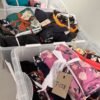
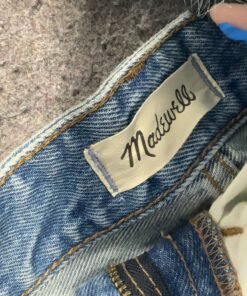
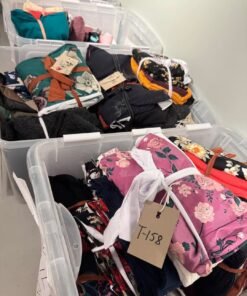
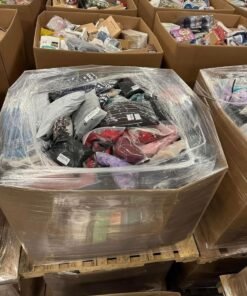
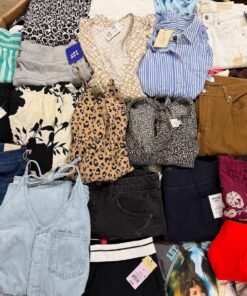
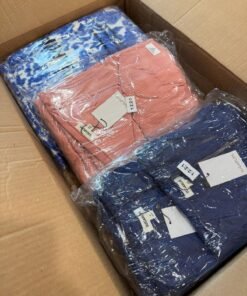
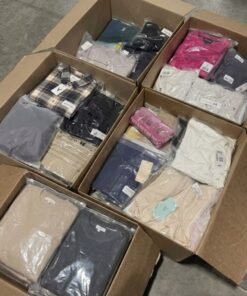
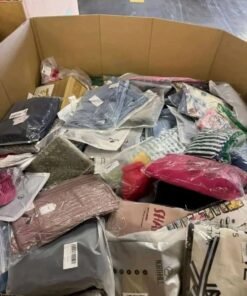
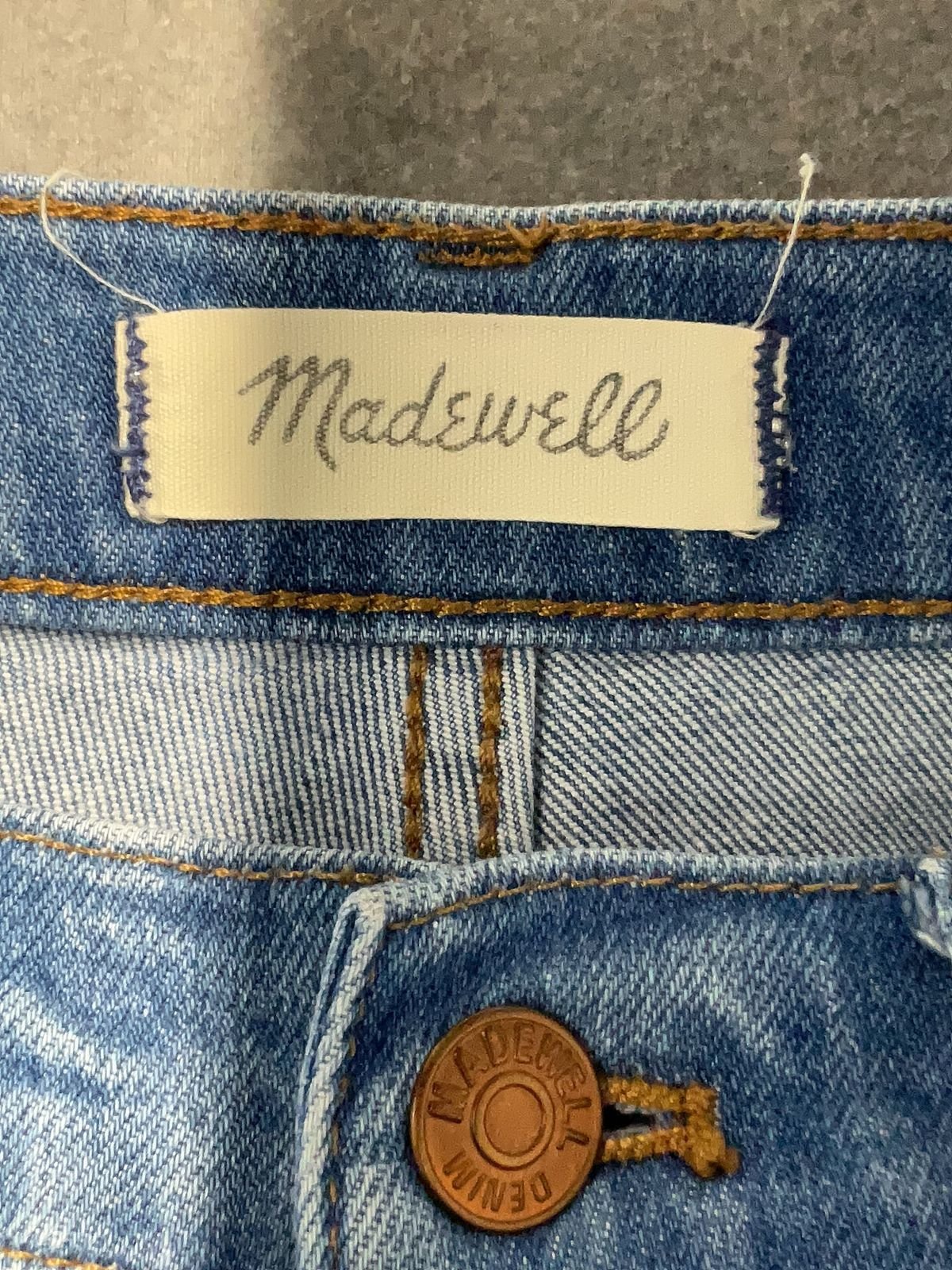
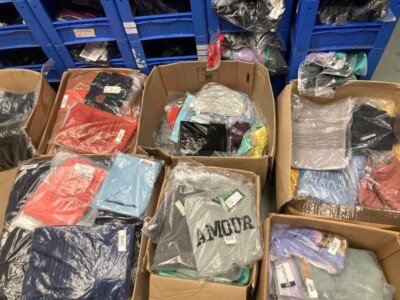
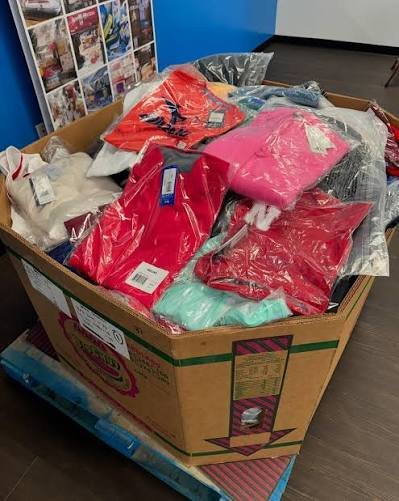
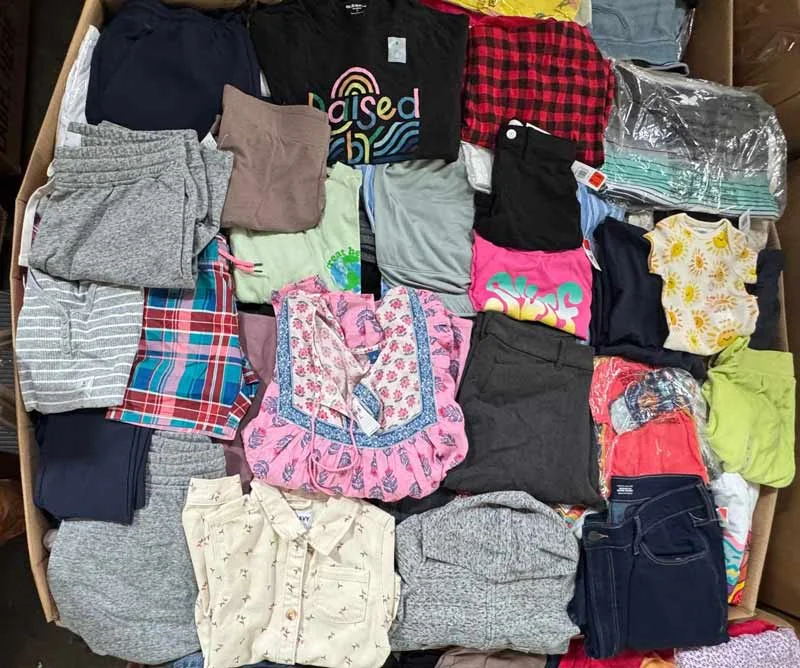
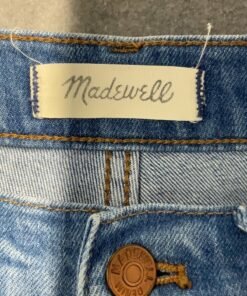
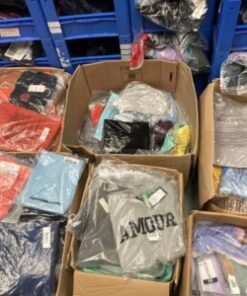
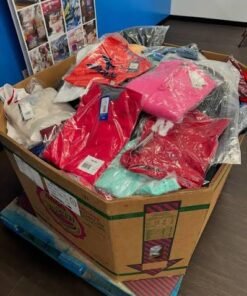
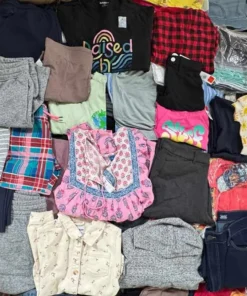
Madewell liquidation pallets like this one give a reseller 150 pieces of women’s and men’s apparel across eighteen categories in a single manifest, rather than sourcing denim, knitwear, and accessories separately from several smaller lots. Warehouse Location: USA. Denim jeans lead the count at 22 units, with graphic tees, blouses, and sweaters close behind, and the assortment runs all the way to jumpsuits, scarves, and belts. Condition spans five tiers, each stated by exact quantity below.
What This Pallet Is
This is a 150-unit wholesale lot built around Madewell apparel and accessories, spanning eighteen categories from premium denim jeans and knit sweaters to jumpsuits, tote bags, and belts. The manifest mixes women’s and men’s pieces together, with condition ranging from new with tags down to store returns across the full count, which is typical for an assorted USA resale mix pulled from retail liquidation channels.
Who This Pallet Is For
Boutique owners stocking a casual and denim-focused apparel section, online sellers running eBay, Poshmark, or Depop closets built around contemporary basics, thrift store operators looking to add a recognized denim and knitwear brand to their floor, and flea market vendors wanting brand-name apparel mixed into general merchandise all fit this manifest. Buyers comfortable working with a mixed-condition lot, rather than requiring every piece to arrive new, will get the most value out of a manifest priced to reflect that condition spread.
How Liquidation Clothing Pallets Work
Retailers generate excess and returned inventory through ordinary retail cycles. Some units never sell through at full price and get pulled from shelves to make room for new stock, some are customer returns that cannot go back on the floor as new, and some carry original tags but were overproduced against demand. Retailers sell that inventory in bulk to liquidators, who sort it by category and condition before packaging it into pallets for resale buyers. This manifest, with its mix of shelf pulls, returns, and tagged denim and knitwear, moved through that same channel.
How This Stock Is Graded
This manifest breaks down across five condition categories. New with tags accounts for 32 pieces, new without tags for 36 pieces, shelf pulls for 38 pieces, store returns for 30 pieces, and mixed condition stock for 14 pieces. Shelf pulls and new without tags together make up close to half the manifest, meaning most of this lot has never been worn even where the original tags are missing.
Manifest and Assortment
| Category | Quantity | Sizes |
|---|---|---|
| Denim Jeans | 22 | 24–34 |
| Graphic T-Shirts | 14 | XS–XL |
| Blouses | 12 | XS–XL |
| Sweaters | 12 | XS–XL |
| Dresses | 10 | XS–XL |
| Jackets | 8 | XS–XL |
| Cardigans | 8 | XS–XL |
| Skirts | 8 | XS–XL |
| Shorts | 8 | 24–34 |
| Pants and Trousers | 8 | 24–34 |
| Jumpsuits | 6 | XS–L |
| Hoodies and Sweatshirts | 6 | XS–XL |
| Button-Up Shirts | 6 | XS–XL |
| Tank Tops and Camis | 6 | XS–XL |
| Long Sleeve Tops | 5 | XS–XL |
| Tote Bags | 4 | One Size |
| Scarves | 3 | One Size |
| Belts | 2 | Assorted |
| Hats and Caps | 2 | One Size |
Total quantity across the manifest is 150 pieces. Size breakdown across the lot runs 20 pieces in XS, 38 in Small, 42 in Medium, 30 in Large, and 20 in Extra Large.
Estimated Retail Value
Madewell sells at a mid-to-premium price point within contemporary casualwear, particularly for its denim, which carries the brand’s strongest retail positioning. Denim jeans, sweaters, and jackets typically hold the highest per-unit retail value on a manifest like this one, blouses, dresses, and cardigans sit in a solid mid-range bracket, and accessories like scarves, belts, and hats land toward the lower end of the pricing scale. With 32 pieces new with tags and 36 new without tags, close to half this manifest reflects unworn stock, which supports a stronger blended value than a lot weighted more heavily toward store returns.
Real Profit Examples
These are market estimates based on typical Madewell resale pricing on platforms like Poshmark and eBay, not guaranteed outcomes. A conservative scenario prices shelf pull and store return pieces at a steep discount to move volume, with new with tags and new without tags pieces priced closer to standard resale value. A moderate scenario assumes most of the manifest sells at typical resale pricing adjusted by condition tier, with slower pieces marked down over time. An optimistic scenario leans on strong demand for the denim category specifically, since Madewell jeans tend to be the most searched and most resold item from the brand regardless of condition. None of these figures are promised outcomes, and actual returns depend on how accurately each condition tier is priced at listing.
Why Some Pallets Sell Out Before You Can Grab One
Mixed-condition apparel pallets from a recognized denim and casualwear brand like Madewell move quickly once listed, particularly for buyers who already know how to price a lot with varied condition stock. A reseller searching for Madewell liquidation pallets, rather than sourcing single items at retail, is usually trying to build a denim-anchored inventory base fast, and a manifest this deep across eighteen categories tends to get claimed by the first buyer prepared to work the full condition spread.
Why This Pallet Is Profitable For Resellers Across the United States
The denim anchor paired with category range is what makes this manifest work as a standalone inventory drop. A single order covers tops, denim, outerwear, dresses, and accessories, cutting down on sourcing time across multiple wholesalers. Denim also tends to hold resale demand consistently across seasons, since fit-driven pieces do not cycle out the way trend-based prints do. That combination makes this lot workable for resellers nationwide, not only in markets with heavy denim demand.
Scaling Smarter Instead of Just Selling More
Pricing every piece in a mixed-condition lot the same way leaves money on the table. This manifest rewards pricing new with tags and new without tags pieces closer to standard resale value while pricing shelf pull and store return stock to reflect their lower starting point, tracking margin per condition category rather than treating the whole 150-piece lot as one price tier.
How This Pallet Compares to Other Sourcing Options
| Sourcing Method | Category Depth | Condition Transparency | Typical Buyer Effort |
|---|---|---|---|
| These Madewell Liquidation Pallets | Eighteen categories in one order | Condition breakdown stated by quantity | One purchase, one delivery |
| Madewell Retail or Outlet Purchases | Full catalog, new stock only | Consistent but high cost per unit | High per-unit cost for resale margin |
| General Mixed-Brand Pallets | Broad but shallow per brand | Often unclear condition mix | Sorting and inspection time |
| Denim-Focused Secondhand Sourcing | Denim only, other brands mixed in | Variable, brand not guaranteed | Time spent verifying authenticity per item |
Brand Overview
Madewell is a recognized name in contemporary casualwear, known primarily for its denim along with knitwear, dresses, and everyday basics positioned in the mid-to-premium tier. That recognition, particularly around its denim line, tends to support resale demand across the condition spectrum, since buyers searching secondhand platforms for the brand often accept a range of conditions in exchange for pricing below retail.
Where to Sell Liquidation Clothing Stock in the United States
Poshmark and eBay both work well for this manifest, since buyers on both platforms search directly by brand for denim, sweaters, and dresses, and both support clear condition disclosure in individual listings. Mercari and Depop suit the more casual pieces, including graphic tees and tank tops, for price-conscious buyers. Facebook Marketplace and OfferUp fit local, no-shipping sales for bundled items, useful for moving store return stock at a discount. Whatnot has become a solid channel for moving denim and knitwear through live auction formats when condition is disclosed clearly upfront.
The Beginner’s Guide to Buying Wholesale Clothing Pallets in the USA
Check whether a manifest breaks down condition by quantity, not just category and size, before buying a mixed lot like this one. This manifest does that, listing exact counts across five condition tiers, which is the kind of detail that lets a buyer price accurately from the start. First-time buyers working with mixed-condition stock should budget extra time for inspecting and sorting shelf pull and store return pieces before listing, and should pay particular attention to denim sizing since it runs by waist measurement rather than standard apparel sizing.
Why This Pallet Stands Apart
Many liquidation pallets list condition vaguely or not at all, leaving a buyer to discover the true mix after the pallet arrives. This manifest states exact condition quantities upfront alongside a full size breakdown, which removes a major source of guesswork for anyone pricing a mixed-condition denim and apparel lot.
Is This Pallet Worth Buying
For a reseller comfortable working with mixed-condition inventory and pricing accordingly, yes, particularly given the strength of denim as a resale category. The stated condition breakdown and eighteen-category depth make this manageable in a way that undisclosed mixed lots are not. Buyers should expect that shelf pull and store return pieces, at 38 and 30 units respectively, make up a meaningful share of the manifest, so a grading and inspection step before listing is worth planning for.
The Cheap Pallet Trap That Keeps Resellers From Scaling
The lowest price tag on a mixed-condition pallet is not automatically the best value if the condition breakdown is unclear. A cheap lot with no stated condition split often costs more in sorting and inspection time than a manifest like this one that states exact quantities by condition tier upfront.
From Quick Flips to Long-Term Growth
Flipping a mixed-condition pallet for fast profit works as a way to test pricing by condition tier, but resellers building something lasting track which condition categories moved fastest and at what price, particularly for denim. That data from a manifest like this one informs how aggressively to price condition-graded stock on future purchases.
Flipping Pallets Versus Building a Resale Business
A flip mindset treats a mixed-condition pallet as a single transaction priced roughly the same across all 150 pieces. A business mindset separates pricing by condition tier from the start, using sell-through data on new with tags versus shelf pull versus store return stock to refine pricing on the next manifest.
How to Build a Repeatable Buying System That Actually Scales
Start by tracking sell-through and realized price separately for each condition tier in a manifest like this one, not just an overall average. That level of detail lets a reseller judge future mixed-condition manifests against a known baseline for how quickly new-tag denim sells versus how quickly store return stock sells.
How Buying Full Truckloads Works for Growing Resellers
As order volume increases, some resellers move from single pallets to full truckload or multi-truckload purchases to reduce per-unit cost further. Truckload orders usually involve direct coordination with a logistics team rather than standard parcel shipping. Buyers considering that scale should contact sales@mediumvioletred-hornet-837068.hostingersite.com to arrange logistics before placing an order of that size.
Does This Pallet Fit Your Market
A pallet mixing condition tiers and combining women’s and men’s pieces fits a reseller whose customer base is comfortable with a range of pricing tied to condition, and who can list across both categories. If your storefront only sells items marketed strictly as new, or focuses on one gender exclusively, this manifest requires separating and pricing accordingly. Sellers already experienced with mixed-condition liquidation stock will find the fit immediate.
Why Good Inventory Looks Boring
A well-documented manifest does not need dramatic language to sell itself. Eighteen categories, a stated size breakdown, and an exact condition split across 150 units perform on their own data. Resellers who evaluate the actual numbers instead of a vague pallet description tend to make better purchasing decisions.
What Buyers Will Expect From Resellers in 2026
Resale buyers increasingly expect accurate condition disclosure, particularly for mixed-condition lots, along with honest sizing information and fast shipping regardless of platform. A manifest this transparent about condition breakdown makes it easier to meet those expectations at the individual listing level.
From Truckload to Full-Time Business
Resellers who move from occasional pallet purchases into a full-time operation typically get there by treating sourcing as a recurring process. Building a relationship with a consistent wholesale source, tracking performance by condition tier and manifest, and reordering categories that sell well, particularly denim, are the practical steps behind that shift.
What To Do When Inventory Is Not Selling
If a category or condition tier is not moving at the expected pace, start by checking pricing against actual sold comparables on the platform for that specific condition, since a new with tags pair of jeans and a store return pair of jeans sell at very different price points. Bundling slower pieces, adjusting photography to clearly show condition and denim fit, or shifting a stalled category to a different platform are common fixes before writing off inventory as a loss.
Turning One-Time Buyers Into Repeat Customers
Brand-name denim and casualwear tend to generate repeat buyers, especially when condition is disclosed honestly and consistently across listings. A steady supply of a brand your audience already trusts, paired with clear condition labeling, supports that repeat purchase pattern over time.
When the Economy Slows Down, Smart Resellers Get Richer
This is general commercial reasoning, not financial advice or a guarantee of results. Resale demand, including for mixed-condition and discounted stock, has historically held up better than full-price retail when consumers become more price-conscious. Resellers stocked with a recognizable denim brand across a range of price points, from new with tags down to discounted return stock, are generally positioned to meet buyers wherever their budget sits.
The Inventory Death Spiral That Kills Profits, and How To Avoid It
Buying more mixed-condition inventory than you can grade, photograph, and list in a reasonable window ties up cash and storage space without generating revenue. The fix is straightforward: size purchases to your actual grading and listing capacity, and prioritize moving existing inventory before adding more.
Why Most New Resellers Quit in the First 90 Days
New resellers working with mixed-condition stock for the first time often underestimate the grading and inspection time required before anything can be listed accurately, especially with denim where fit and wash details matter to buyers. A manageable order size paired with a consistent grading process is what keeps resellers going past the point where most others give up.
Return Policy
Liquidation pallets, including this mixed-condition Madewell manifest, are sold as-is given the nature of the stock. The stated condition breakdown reflects the mix as supplied, and this reflects standard practice across the liquidation industry for goods sourced from shelf pulls, returns, and overstock channels.
Online Only, No Local Pickup
trendywholesaleclothings.com sells online only. There is no local pickup, no warehouse visits, and no in-store purchases for standard pallet orders. This listing is independent of Madewell’s own retail stores and is not affiliated with Madewell. The one exception to the online-only policy is full truckload or multi-truckload orders, where pickup can be arranged directly with the logistics team by contacting sales@mediumvioletred-hornet-837068.hostingersite.com before placing the order.
Shipping
Orders ship within the United States using standard freight carrier service, with professional packaging and tracking provided on every order. Buyers ordering from outside the United States are solely responsible for any duties or import obligations on their shipment.
Why Buy From trendywholesaleclothings.com
These Madewell liquidation pallets put eighteen categories and a stated five-tier condition breakdown into one wholesale order, backed by a US-based operation that ships nationwide with tracked freight on every shipment.
What is included in these Madewell liquidation pallets?
The pallet includes 150 pieces of Madewell women’s and men’s apparel across eighteen categories, including denim jeans, graphic tees, sweaters, dresses, jackets, and accessories.
What condition is this Madewell stock in?
The manifest breaks down across five condition tiers: 32 pieces new with tags, 36 new without tags, 38 shelf pulls, 30 store returns, and 14 mixed condition.
Is this the same as buying from a Madewell retail store?
No, this is a wholesale liquidation pallet sold through trendywholesaleclothings.com, not a purchase made at a Madewell retail location.
What sizes are included in the manifest?
Most apparel runs XS through XL, denim jeans, shorts, and trousers run by waist size 24 through 34, and accessories like tote bags and hats are one size.
Does this manifest include both women’s and men’s pieces?
Yes, the manifest is described as an assorted mix of women’s and men’s apparel, so buyers should check the category and size columns to identify which pieces fit their target customer base.
Can I see the full manifest and size breakdown before buying?
Yes, the complete manifest with category, quantity, size range, and the overall size and condition breakdowns are listed above on this page ahead of the pricing section.
Do I need to inspect and grade the items myself before listing?
Given the mixed-condition nature of this manifest, a grading and inspection step before listing is recommended so each piece, particularly denim, can be priced according to its actual condition rather than a blanket assumption.
How is this different from buying individual pieces at retail?
Buying individual pieces at retail gets you one item at a time, typically new, at single-unit pricing. This pallet is a wholesale quantity sold as one manifest, giving a buyer bulk quantity across eighteen categories and a range of conditions in a single transaction.
What is the return policy on this pallet?
This pallet is sold as-is, consistent with standard liquidation industry practice, with the stated condition breakdown reflecting the mix as supplied.
Can I pick up this order instead of having it shipped?
Standard pallet orders are online only with no local pickup. Pickup is only available for full truckload or multi-truckload orders arranged directly with the logistics team.
How long does shipping take within the United States?
Orders ship via standard freight carrier service with tracking provided. Specific delivery windows depend on your location relative to the warehouse.
How many total pieces are in this pallet?
The manifest totals 150 pieces across eighteen categories of Madewell women’s and men’s apparel and accessories.
Legal Disclaimer: The information provided on this product page, including estimated retail values, profit scenarios, and market commentary, is intended for general informational purposes only and does not constitute financial, investment, or business advice. Profit examples are estimates based on general market conditions and are not guarantees of actual resale outcomes. Buyers assume full responsibility for evaluating market conditions, resale pricing, and platform fees prior to purchase. All liquidation and mixed-condition merchandise is sold as-is, and trendywholesaleclothings.com makes no warranty regarding the condition, functionality, or resale value of individual items beyond the condition breakdown stated in the manifest above. trendywholesaleclothings.com is an independent liquidation reseller and is not affiliated with, endorsed by, or operating on behalf of Madewell.
trendywholesaleclothings.com sales@mediumvioletred-hornet-837068.hostingersite.com 777 NW 72nd Ave Ste 2133, Miami, FL 33126, United States


Reviews
There are no reviews yet.